

Traveling abroad is always exciting. Whether it’s your first international trip or your tenth, there’s one detail that still confuses even the most seasoned travelers: what can and cannot go in your carry-on bag. Knowing the rules can save you from unnecessary stress — and from losing important items during airport security checks.
In this article, we’ll break down, in a clear and practical way, the main rules for carry-on luggage on international flights and the most common mistakes travelers make. This guide is perfect for anyone looking for solid travel tips and a smoother boarding experience.
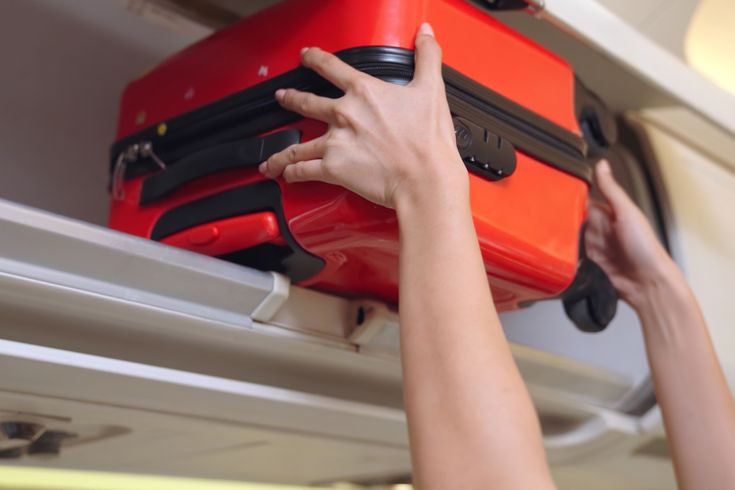
📏 Carry-On Size and Weight: The Basics You Need to Know
First things first: every airline has its own rules, but most follow a fairly standard format.
- Weight limit: usually between 15 to 22 pounds (7 to 10 kg)
- Size limit: about 22 x 14 x 9 inches (55 x 35 x 25 cm)
If your bag exceeds this size or weight, you’ll either be forced to check it in and pay an extra fee or leave some items behind — both scenarios can ruin your day.
👉 Quick tip: always check the baggage policy on your airline’s website. Some airlines have different rules depending on the destination or your ticket class (basic, economy, business, etc.).
🧴 Liquid Restrictions: The 100 ml Rule
Here’s where many travelers get caught off guard. On international flights, there’s a universal rule for carrying liquids in your hand luggage:
- Only liquids in containers up to 3.4 oz (100 ml) are allowed
- All containers must fit inside one clear, resealable plastic bag, no larger than 1 quart (1 liter)
- The bag must be presented separately during the security check
This includes shampoo, lotions, perfume, toothpaste, liquid makeup, hand sanitizer, and more. A 6 oz bottle, even if half empty, will likely be confiscated.
👉 Common mistake: bringing a partially used container that’s larger than 100 ml. Even if it’s half-full, it’s still not allowed.
💻 Electronics: Be Ready for the X-Ray
If you’re traveling with electronics like laptops, tablets, cameras, or power banks, you’ll need to remove them from your bag and place them in separate trays at the security checkpoint.
Other rules include:
- Devices must be fully charged, as you may be asked to turn them on
- Extra cables and batteries should be organized and, ideally, stored in a pouch or case
👉 Pro tip: pack your electronics in easy-to-reach compartments to speed up the screening process.
🔪 Prohibited Items: Leave Them Out of Your Carry-On
Some items simply can’t be taken in your carry-on, even if they seem harmless. Examples include:
- Pocket knives, box cutters, scissors with long blades
- Nail clippers or small tools (some airlines allow them, but it’s risky)
- Any type of tool or sharp object
- Knitting needles (varies by airline)
These items might be allowed in checked luggage, but not in carry-ons — they’ll be confiscated at security.
👉 Common mistake: leaving a small pair of scissors in your toiletry bag. Even a minor item like that can cause delays or be thrown away.
🔋 Batteries and Power Banks: Special Guidelines
Traveling with extra batteries or power banks? Be careful — they come with specific rules:
- These items must only be carried in your hand luggage
- Batteries must be protected against short circuits (e.g., tape on terminals or in a protective case)
- Loose batteries are not allowed in checked luggage
👉 Pro tip: check if your power bank is within the allowed limit (usually under 100Wh) and store all electronics neatly in one compartment.
📌 Quick Summary: Do’s and Don’ts
✅ What you should do:
- Check weight and size limits before heading to the airport
- Store all liquids (max 100 ml) in a 1-liter clear zip bag
- Remove electronics from your bag during screening
- Keep power banks and batteries properly stored
- Always carry documents and valuables with you
❌ What to avoid:
- Bringing liquids over 100 ml
- Packing toiletries without a transparent bag
- Carrying sharp or prohibited items
- Forgetting to remove your laptop at security
- Traveling with loose batteries
🧳 Extra Travel Tips You’ll Thank Us For
- Medications: You can carry them, but if they’re prescription or controlled meds, it’s a good idea to have a doctor’s note or translated prescription.
- Food: Pre-packaged snacks are generally fine. However, fresh food, animal or plant products may be confiscated, especially when entering countries with strict biosecurity (like the U.S., Australia, or Japan).
- Personal items: In addition to your carry-on, most airlines allow a small backpack or purse that fits under the seat in front of you.
✈️ Final Thoughts: Travel Lighter and Smarter
Packing your carry-on with care will save you time, money, and a lot of frustration. With just a bit of preparation, you can avoid delays, unexpected fees, and the stress of losing personal items at the security checkpoint.
If you’ve already booked your international trip (or are just dreaming about one), review these rules, double-check your airline’s policy, and make a checklist before leaving home.
Great trips begin with good planning. And now that you know how to pack your carry-on like a pro, it’s time to zip up that bag and enjoy your journey — confident, calm, and ready for takeoff! 🌍🧳