



As the global travel landscape evolves, one generation is taking the lead in reshaping how — and why — we explore the world. By 2026, Generation Z — those born between the mid-1990s and early 2010s — will not only travel more often but also spend more per trip than any other age group. For them, travel isn’t just about sightseeing or comfort. It’s about purpose, authenticity, and digital innovation.
Recent studies reveal that 71% of Gen Z travelers use artificial intelligence to plan their trips, from choosing destinations to building fully customized itineraries. This marks the rise of a new kind of traveler — one that blends technology, sustainability, and self-discovery.
From Tourists to Experience Creators
Unlike previous generations, who often favored all-inclusive packages and well-trodden routes, Gen Z travelers seek meaningful, immersive experiences. For them, a trip isn’t just a getaway — it’s a story to live and tell.
Instead of merely visiting Paris, they might take a street photography class in Montmartre. In Japan, they’ll skip the tourist crowds for a hands-on pottery workshop in a quiet village. Travel has become an extension of digital identity, with each experience curated to be both personally fulfilling and shareable — but always authentic.
Platforms like TikTok and Instagram play a major role in shaping these choices. Hidden gems — from Malta’s blue caves to Slovenia’s sustainable villages — are turning into global must-see spots thanks to short-form videos and first-hand storytelling.
The Digital Revolution of Trip Planning
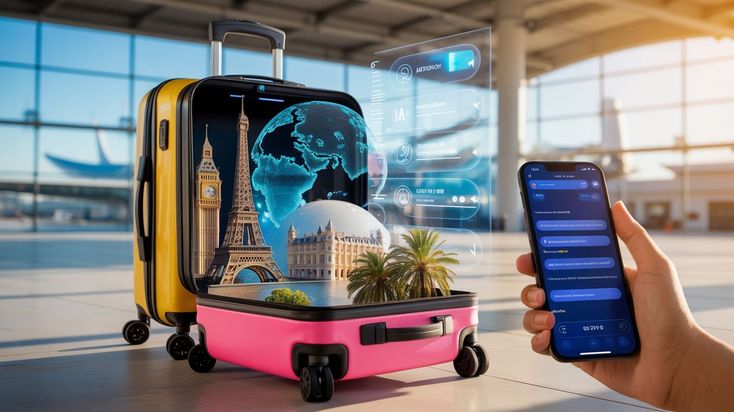
Technology sits at the heart of this travel revolution. Today, young travelers use AI-powered tools to design itineraries in minutes, adapting plans based on weather, budget, or even mood. AI travel assistants recommend everything from cozy eco-hostels to scenic viewpoints, tailoring each suggestion to the user’s personality.
Beyond planning, integrated travel apps and virtual assistants make every step seamless — booking flights, splitting costs with friends, finding local events, and translating menus instantly. For Gen Z, technology isn’t an add-on to the trip; it’s part of the adventure itself.
More Purpose, Less Consumption
Yet what truly sets this generation apart is their mindset. Gen Z carries a strong sense of environmental and social responsibility. Instead of luxury resorts or mass tourism, they look for purpose-driven travel — volunteering in nature reserves, staying in eco-lodges, or supporting community-led tourism projects.
According to Booking.com, over 60% of Gen Z travelers prefer sustainable options, even if it means spending a bit more. For them, travel isn’t about “going everywhere,” but about going consciously — leaving a positive mark on the places they visit.
From AI to Real Impact
The industry is catching up fast. Digital travel agencies now offer AI-curated itineraries paired with verified sustainable experiences. Ethical travel startups connect young explorers with conservation projects, while metaverse-based tools allow travelers to virtually “preview” destinations before setting foot there.
By combining technology, authenticity, and purpose, Gen Z is redefining the meaning of luxury — no longer measured in stars or suites, but in freedom, time, and meaning. Travel is no longer just leisure; it’s a form of personal expression and continuous learning.
The Future of Travel Is Hybrid
In the end, Gen Z’s influence on travel is more than a passing trend — it’s a cultural shift. They’re proving that the future of travel will be hybrid: between the digital and the real, pleasure and purpose, algorithm and emotion.
Whether they’re crafting itineraries with AI, exploring sustainable villages in Tuscany, or uncovering the next “secret” European destination, Gen Z travelers are changing the way we connect with the world. They’re not just taking vacations — they’re seeking meaning in every journey.