




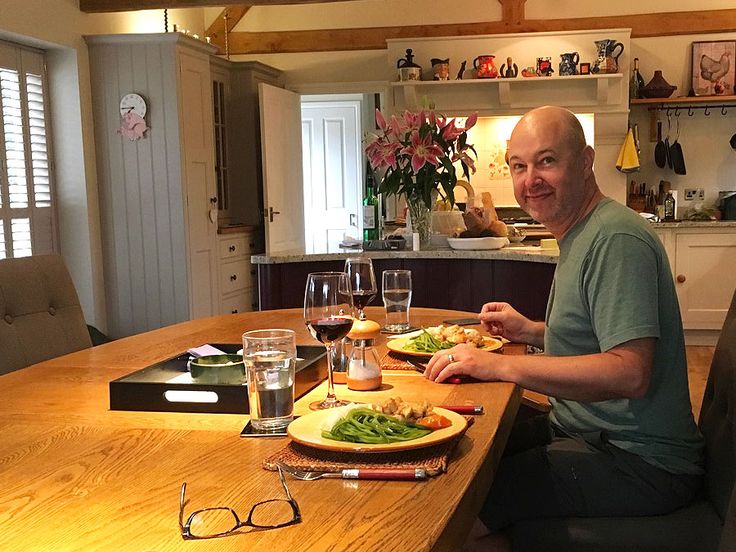
Imagine living in a cozy chalet in the Swiss Alps, a charming apartment in Paris, or a villa with a pool in Tuscany without spending a single euro on accommodation. This isn’t fantasy—it’s exactly what thousands of travelers are doing through house sitting in Europe. This form of cultural and economic exchange is revolutionizing how we explore the continent, enabling savings that can reach €3,000 or more per month in some cities.
The concept is simple but powerful: you take care of someone’s home and pets while they travel, and in return you receive free accommodation. But there’s much more to this equation than just financial savings. As a traveler who has completed over 15 house sitting assignments across Europe, I can affirm that this experience completely transforms how you experience each destination, allowing cultural immersion impossible to achieve in hotels or hostels.
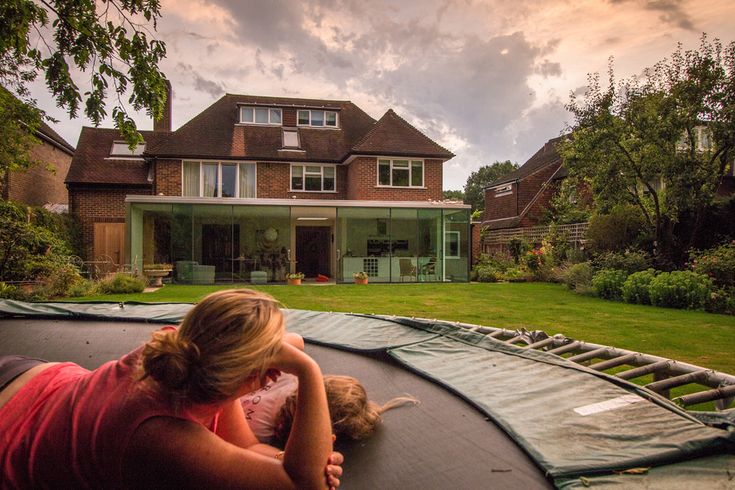
Why House Sitting in Europe Is Worth Every Minute
Europe is notoriously expensive for travelers. A week in London can easily cost €1,400 just for basic accommodation, while cities like Zurich, Copenhagen, or Oslo can drain your budget in days. It was exactly this reality that led me to discover house sitting in 2019, when I was planning to spend three months exploring the continent on a tight budget.
During my first experience caring for two golden retrievers in a country house near Edinburgh, I realized I had found something special. Not only did I save approximately €2,100 that I would have spent on accommodation during those four weeks, but I also lived like a local—shopping at the neighborhood market, chatting with neighbors at the local pub, and discovering secret trails that no travel guide would ever mention. The dogs gave me a reason to explore the region uniquely, taking me to places conventional tourists would never know.
The real savings go beyond accommodation value. When you do house sitting in Europe, you have access to a full kitchen, washing machine, and all the comforts of home. This means spending significantly less on food (preparing your own meals) and services (no expensive laundry). I’ve calculated that on average, I save about 60-70% of total travel costs when I compare a journey with house sitting versus the same trip using hotels or Airbnb.
How the House Sitting System Works: Complete Guide for Beginners
The house sitting process may seem intimidating at first, but it’s surprisingly straightforward when you understand the fundamentals. Homeowners post their needs on specialized platforms, detailing the absence period, specific responsibilities, and property features. As a house sitter candidate, you create an attractive profile and apply for opportunities that match your dates and preferences.
There’s a subtle dance to this process. Homeowners look for trustworthy people who will treat their home and pets with care and respect. They want to sleep peacefully knowing someone responsible is looking after their most valuable asset. On the other hand, travelers seek comfortable accommodations in interesting locations, with responsibilities that fit their travel style.
Typical responsibilities include pet care (feeding, walks, administering medications), basic home maintenance (watering plants, collecting mail, maintaining cleanliness), and ensuring property security. Some homes have additional requirements like pool or garden maintenance, but all of this is negotiated before accepting the assignment. Clear and honest communication about expectations is absolutely crucial for a successful experience.
Best House Sitting Platforms for Exploring Europe
The house sitting platforms market has grown exponentially in recent years, with each service offering unique features. Based on my experience testing practically all available options, here’s a detailed analysis of the best choices for those wanting to do house sitting in Europe:
TrustedHousesitters is arguably the market leader, with over 5,000 active opportunities in Europe alone. The platform charges £89 per year (approximately €104), but frequently offers 25% discounts for new members. Investment pays for itself quickly—a single week of house sitting in London saves more than the annual subscription cost. The interface is intuitive, the verification system is robust, and the community is extremely active. During my two years using TrustedHousesitters, I secured positions in Spain, England, Scotland, Ireland, and Portugal.
Nomador is especially strong for opportunities in France and Mediterranean countries, with over 23,000 homes registered globally. The interesting differentiator is the “Stopover” feature, which allows short connections between main house sits—perfect for filling gaps of a few days between larger commitments. The subscription costs €89 per year, making it competitively priced. I’ve met several house sitters who got their first experiences through Nomador, particularly in rural regions of France.
HouseSitMatch offers a more personal touch, with founder Lamia Walker available for direct guidance. Focused primarily on the UK and Australia, the platform is expanding its European presence. Plans range from £69 (Standard) to £89 (Premium) annually. Identity verification is free for all members, which conveys more trust to homeowners.
MindMyHouse is the most economical option, charging only $20 USD per year. However, it has significantly fewer active listings (about 93 currently), so it works best as a complementary platform. For beginners on a very limited budget, it can be a good starting point.
My recommendation? Start with TrustedHousesitters to maximize your initial chances, then add Nomador if you plan to spend significant time in France or the Mediterranean region. This combination covers approximately 90% of quality opportunities in Europe.
Proven Strategies to Land Your First House Sitting Assignment
Securing your first house sitting opportunity in Europe requires strategic preparation. Homeowners receive dozens of applications for each attractive position, especially in popular destinations or during high season. After observing hundreds of profiles and talking with various homeowners, I’ve identified the elements that separate successful candidates from those ignored.
Your profile is your first impression—and often the only chance to capture attention. Professional and natural photos are essential; avoid dark selfies or low-quality images. Include at least one full-body photo that conveys approachability and confidence, plus some images with animals (if applicable). A photo of yourself on a previous trip or in a domestic setting helps homeowners visualize you caring for their home.
The biographical description should balance professionalism with authentic personality. Avoid generic clichés like “animal and travel lover.” Instead, share specific details: “I grew up with three border collies and spent two summers working at an animal shelter during university. My ideal mornings start with strong coffee and a long walk, regardless of weather.” This level of specificity builds trust and humanizes your application.
References are absolutely critical, especially for beginners without house sitting history. If you’ve never done this before, seek references from previous employers, landlords where you lived, or friends who can attest to your reliability and love for animals. A strong reference from a veterinarian or dog training instructor carries considerable weight. I secured my first opportunity largely due to a detailed reference from my former manager, who described my responsibility and attention to detail.
Application personalization makes a huge difference. Never send generic copy-pasted messages. Each application should mention specific details from the listing: “I saw that Luna loves swimming in the nearby lake—I grew up near water and would love to continue that routine with her” or “I noticed you have an herb garden—I have gardening experience and would be happy to keep everything healthy during your absence.”
House Sitting and Real Savings: Detailed Financial Analysis
Let’s talk concrete numbers because the economics of house sitting are impressive when calculated properly. During my six-month experience traveling through Europe in 2022-2023, I meticulously documented every saving and expense to create a realistic picture of financial impact.
In London, where I spent five weeks caring for a Persian cat named Winston in a Notting Hill apartment, the savings were stratospheric. A similar apartment in the area would cost £200-250 per night (€235-295), totaling about €8,225-10,325 for the complete period. My only costs were €104 for the annual TrustedHousesitters subscription (already amortized) and daily expenses on food and transport—approximately €40 per day, or €1,400 total. Compared to €10,000+ I would have spent on hotel plus restaurant meals, the net savings exceeded €7,000.
In rural Tuscany, three weeks caring for two rescue dogs on a property with olive trees presented different but equally impressive numbers. Rural hotels in the region cost €100-150 per night, totaling €2,100-3,150. I saved practically all of that amount, investing only in local groceries (farmers markets are incredibly affordable in rural Italy) and occasional gas to explore nearby villages.
The table below shows comparative savings in popular European destinations based on real house sitting experiences:
- London (UK) – Average hotel cost: €250/night | 30-day savings: €7,500 | House sitting cost: €0 + €104 (annual subscription)
- Paris (France) – Average hotel cost: €200/night | 30-day savings: €6,000 | House sitting cost: €0 + €104
- Zurich (Switzerland) – Average hotel cost: €300/night | 30-day savings: €9,000 | House sitting cost: €0 + €104
- Barcelona (Spain) – Average hotel cost: €150/night | 30-day savings: €4,500 | House sitting cost: €0 + €104
- Rural Tuscany (Italy) – Average hotel cost: €120/night | 30-day savings: €3,600 | House sitting cost: €0 + €104
- Algarve (Portugal) – Average hotel cost: €100/night | 30-day savings: €3,000 | House sitting cost: €0 + €104
Important to note that these values don’t include additional savings on food (cooking versus restaurants) and laundry (using the house machine versus paid services). When you add these factors, total savings can easily increase 30-40% beyond pure accommodation numbers.
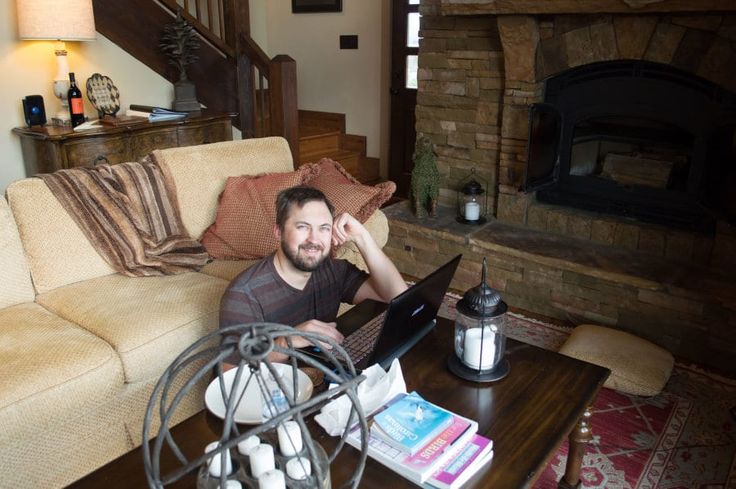
Ideal European Destinations to Start House Sitting
Not all European countries are equally accessible for house sitting beginners. Some markets are saturated with experienced candidates, while others offer abundant opportunities with moderate competition. Based on analysis of over 500 listings and conversations with dozens of house sitters, here are the best destinations to start:
Portugal has emerged as the number one destination for newcomers. The country has a growing community of expats, many newly established and eager to find reliable house sitters. Regions like Algarve, Cascais, and around Lisbon offer consistent opportunities. I secured my second house sitting experience in Lagos, caring for a golden retriever for three weeks—the British owner was newly relocated and expressly looked for beginner sitters willing to learn.
Spain, particularly coastal regions and islands, presents high volume of opportunities. Mallorca, Costa del Sol, and around Barcelona are hot spots. Spanish culture greatly values pets, and many families have dogs that need care during summer vacations. Competition exists but is manageable for well-crafted profiles.
Rural France offers excellent opportunities outside major centers. While Paris is highly competitive, villages in Provence, Dordogne, Loire Valley, and Brittany often struggle to find house sitters, especially during intermediate seasons. These locations offer deep cultural immersion and are ideal for those seeking peaceful experience away from tourist crowds.
United Kingdom has a mature house sitting market with opportunities distributed across England, Scotland, Wales, and Northern Ireland. Smaller cities and rural areas are more accessible for beginners than London or Edinburgh. The additional advantage is that most communications are in English, reducing language barriers.
My Experience: 28 Days Caring for Three Cats in Lisbon
Sharing a real case study offers valuable perspective on how house sitting in Europe works in practice. In October 2022, I accepted a four-week position caring for three cats in an apartment in Lisbon’s historic Alfama neighborhood. The owners, a Portuguese couple in their 50s, were planning to visit family abroad.
The initial application took about 30 minutes to carefully craft. I researched the neighborhood, mentioned my previous experience with cats (including a diabetic cat I cared for for two years), and expressed genuine interest in Portuguese culture. Two weeks later, I received a positive response and we scheduled a video call for mutual acquaintance.
During the 45-minute call, we discussed the cats’ routines (feeding twice daily, daily litter box cleaning, play sessions), apartment features (heating system, quirks of the temperamental lock), and general expectations. They asked for regular WhatsApp updates—photos of the cats and confirmation that everything was well. We agreed I would have full freedom to explore Lisbon, as long as I ensured presence during feeding times.
The experience exceeded expectations. The apartment was charming with partial view of the Tagus River, located minutes’ walk from incredible restaurants and tram stops. Three cats—Luna, Simba, and Mia—had distinct personalities I learned to navigate quickly. Luna was independent, Simba needy, and Mia shy but curious.
Financially, the savings were substantial. Similar apartments in Alfama cost €80-120 per night during October, totaling €2,240-3,360 for 28 nights. I spent approximately €600 on groceries and occasional meals out, plus €50 on public transport exploring the city. Total savings: about €2,000 compared to conventional accommodation plus typical tourist expenses.
Beyond the financial aspect, I lived Lisbon as a resident. I frequented the local market every Wednesday, met neighbors who greeted the cats by name, discovered secret viewpoints walking aimlessly through Alfama’s labyrinthine streets. This immersion would have been impossible staying at a tourist hotel in Chiado or Baixa.
Legal and Practical Aspects of House Sitting in Europe
Navigating the legal aspects of house sitting requires attention to important details, especially considering varied regulations between European countries. Understanding both visa requirements and contractual and insurance issues is essential.
For short stays (up to 90 days within a 180-day period), many nationalities can enter the Schengen space as tourists without a visa. House sitting is generally considered voluntary cultural exchange, not paid work, so tourist visas are sufficient. However, never accept monetary payment beyond free accommodation when on a tourist visa—this crosses a dangerous legal line.
For longer stays, the situation complicates. Some house sitters use a “border hopping” strategy—leaving Schengen space for a few days after 90 days to reset the counter. Countries like the United Kingdom (post-Brexit), Ireland, Croatia, Romania, and Bulgaria are not part of the Schengen agreement, enabling this approach. However, immigration officials are alert to this pattern, so consider risks carefully.
Written contracts are essential even for informal arrangements. The document should clearly specify: exact stay dates, specific responsibilities (including pet care, home maintenance, garden), expectations about property use (can friends visit? can you use the car?), emergency procedures (contact numbers, veterinarians, plumbers), and cancellation terms for both parties.
Insurance is a critical consideration often neglected. TrustedHousesitters offers complementary veterinary protection up to £3,000 and 24/7 helpline with veterinary nurses—a valuable benefit I’ve already used when one of the dogs I was caring for developed sudden vomiting. Additionally, strongly consider comprehensive travel insurance that covers liability. Accidents happen: a cat can scratch a neighbor, something can break in the house, you may need medical attention. Adequate protection avoids financial disasters.
Interview With Experienced House Sitters: Learning From Those Who’ve Walked the Path
Marina, 34, from Europe, has been house sitting for three and a half years: “My biggest lesson was learning to say no to opportunities that don’t fit perfectly. In the beginning, I accepted any position for fear of missing chances. I ended up in stressful situations—one house with five poorly trained dogs, another with uncommunicated expectations about intensive gardening. Now I ask detailed questions before committing, and my satisfaction rate has soared. I ask about animal personalities, typical daily routines, exact cleaning expectations. If I sense hesitation from the owner in responding clearly, I politely decline.”
Carlos, 28, from South America, combines house sitting with remote work: “The key is managing expectations about availability. Owners need to understand you won’t be at the house 24/7. I establish clear boundaries: ‘I work 9am-6pm on weekdays, so dog walks happen early morning and late afternoon. I can be flexible in emergencies, but that’s my standard routine.’ Most owners appreciate this honesty. Also invest in good equipment—quality waterproof backpack for laptop, universal adapters, and backup mobile hotspot. These tools allow me to work efficiently from anywhere.”
Isabel and João, European couple aged 42 and 45, transformed house sitting into a lifestyle after selling their own home: “The biggest challenge is logistics between positions. We rarely manage to schedule sits perfectly consecutively, so there are always gaps of a few days. Solutions include Stopovers (mini-sits of 1-2 nights through Nomador), camping with our converted van, or staying with friends made during previous sits. Building a social network is a crucial long-term investment. We maintain contact with favorite owners, send birthday messages, occasional updates. Several invited us to return or recommended us to friends. These personal connections became our safety net.”
Essential Checklist for Your First House Sitting Experience
Proper preparation makes a huge difference between smooth and stressful house sitting experience. This checklist compiled through dozens of assignments covers essential elements often forgotten by beginners:
Before Applying:
- Check visa requirements for destination country and planned duration
- Confirm travel insurance coverage (including liability)
- Prepare references from at least three people who can attest to your reliability
- Create complete profile on chosen platforms (professional photos, detailed bio)
- Research cost of living in target region for realistic budget
During Application Process:
- Personalize each application message with specific listing details
- Prepare intelligent questions about animal routines and house expectations
- Schedule video call for mutual acquaintance (fundamental for building trust)
- Request virtual tour of property during call
- Clearly discuss responsibilities, boundaries, and emergency procedures
During House Sitting:
- Take photos/videos of property’s initial state (protection for both parties)
- Send regular updates to owners as agreed
- Maintain house at same cleanliness standard (or better) as found
- Document any problems immediately and communicate to owners
- Respect privacy—don’t invade personal spaces or touch belongings
- Follow established routines for animals as faithfully as possible
Before Leaving:
- Deep clean house (especially kitchen and bathrooms)
- Wash and change bed linens
- Replenish consumed items (toilet paper, basic cleaning products)
- Prepare brief report about the stay (any incidents, animal behavior)
- Leave small thank-you gift (optional but appreciated)

Frequently Asked Questions About House Sitting in Europe
Do I need to speak languages other than English for house sitting in Europe?
English is sufficient for most opportunities, as many owners are expats or speak English as a second language. However, basic knowledge of the local language facilitates daily life (shopping, transport, emergencies) and demonstrates respect for culture. Translation apps like Google Translate are valuable allies.
How far in advance should I apply for house sits?
Ideally 1-3 months before desired dates, especially for popular destinations or high season. Some last-minute opportunities appear (owners with sudden plans), but relying exclusively on them is risky. Advance planning maximizes choices and allows proper negotiation.
What if something goes wrong during house sitting?
Immediate communication with owners is essential. For medical emergencies with animals, contact veterinarian and owners simultaneously. For house problems (leaks, breakages), document with photos and seek guidance before acting. Platforms like TrustedHousesitters offer 24/7 support for emergencies. Never try to hide problems—transparency builds trust even in difficult situations.
Can I travel around the region during house sitting?
Depends on specific responsibilities. Caring for dogs usually requires daily presence due to walks and feeding. Cats are more independent, allowing day trips or occasional overnight stays (with automatic feeders and clean litter boxes). Always discuss expectations clearly—some owners don’t mind brief absences, others prefer constant presence.
Is house sitting safe for women traveling alone?
Generally yes, with reasonable precautions. Choose listings from owners with positive reviews and verified profiles. Share your location with friends/family. Trust your instincts—if something seems strange during initial video call, politely decline. Many women house sit alone successfully; the key is careful research and clear communication.
Additional Resources to Deepen Your Knowledge
Continuously learning about house sitting accelerates the learning curve and avoids common mistakes. Here are valuable resources to complement this guide:
To better understand economical accommodation strategies in specific destinations, I recommend reading our detailed guide on cheap and safe accommodation in London, which offers complementary perspectives on cost reduction in one of Europe’s most expensive cities.
The TrustedHousesitters platform maintains an active blog with articles about house sit preparation, pet care tips, and inspiring community stories. Member forum is a valuable resource for specific questions and networking.
The Nomador website offers practical guides about house sitting in different European countries, including specific cultural aspects and local regulations about pets.
Facebook groups like “House Sitting Europe” and “Digital Nomads – House Sitting” connect thousands of house sitters sharing experiences, tips, and occasionally opportunities not listed on main platforms. Active participation in these groups builds a valuable contact network.
Conclusion: Your Next Step Toward Travel Freedom
House sitting in Europe isn’t just a savings strategy—it’s a portal to a completely different lifestyle of exploring the world. By caring for homes and animals, you gain access to authentic cultural experiences impossible to achieve as a traditional tourist. Saving thousands of euros on accommodation is a wonderful tangible benefit, but the human connections, local immersion, and freedom to travel slowly are the true treasures of this approach.
If you’re considering trying house sitting for the first time, my advice is simple: start. Create a complete profile on TrustedHousesitters or Nomador this week. Dedicate time crafting an authentic bio and collecting solid references. Apply for opportunities that genuinely interest you, even if you feel imposter syndrome whispering that you’re not qualified.
Remember that owners seek trustworthy and caring people, not experts with decades of experience. Your first opportunity will come—it may not be a mansion with a pool in Monaco, but it will probably be a cozy apartment where you’ll create unforgettable memories and save hundreds or thousands of euros.
Europe awaits with open doors, animals eager for affection, and transformative experiences. Your next chapter of adventures can begin caring for a golden retriever in a Portuguese village, feeding cats in a Parisian apartment, or walking dogs through the Scottish Highlands. The choice is yours—and the journey begins with a single application click.
Have you had experience with house sitting? Are you considering trying it for the first time? Share your questions, fears, or stories in the comments below—I’d love to hear your perspective and help with any specific questions about starting this incredible way to travel!