




A trip that wasn’t cheap — but was worth every penny
If someone had told me a few years ago that I’d spend nearly $2,000 to drive through a cold country full of rocks, wind, and water, I probably would’ve laughed. But after experiencing tourism in Iceland firsthand, I get it now. Some experiences just can’t be explained — you have to feel them.
Iceland is everything you see in the photos… and so much more. But it’s also a place that pushes you out of your comfort zone. The cold is real. The silence is intense. And every mile of road looks like a movie set. If you’re thinking about going, here’s my honest advice: go. But go prepared.
How I Planned My Trip to Iceland (and What You Can Learn from It)
Tourism in Iceland takes a bit of strategy
Before going, I did tons of research. Still, I ran into a few surprises. Iceland is breathtaking, but also wild — and expensive. Here’s a quick summary that helped me plan:
Route options and what to expect:
| Route | Ideal Duration | Highlights | Difficulty |
|---|---|---|---|
| Golden Circle | 1 day | Geysir, Gullfoss, Thingvellir National Park | Easy |
| South Coast | 2–3 days | Skógafoss, black sand beaches, glaciers | Moderate |
| Ring Road (full loop) | 7–10 days | All of the above + North & East Iceland | Challenging |
I did part of the Golden Circle and the South Coast, which was totally doable. If I had more time (and money), I would’ve driven the full loop around the island. But even with a shorter trip, it was unreal.
What Blew Me Away: Northern Lights and the Deep Quiet of Nature
Iceland feels like the Earth whispering — in slow motion
The first time I saw the Northern Lights was in a parking lot — no joke. I had gone out to see a waterfall at night (a thing in Iceland), and the sky exploded in shades of green and purple. I just stood there in the dark, jaw dropped, alone, no sound… just the universe doing its thing.
Another unforgettable moment was walking on a glacier. Full gear, crampons, helmet, and a guide. It cost me about $120, but honestly? Worth every cent. Being on top of ancient ice with volcanoes nearby felt like stepping onto another planet.
Imagine this pie chart, based on what moved me most:
Most unforgettable Iceland moments:
- 45% Northern lights
- 25% Glaciers & ice caves
- 20% Massive waterfalls
- 10% Hidden hot springs
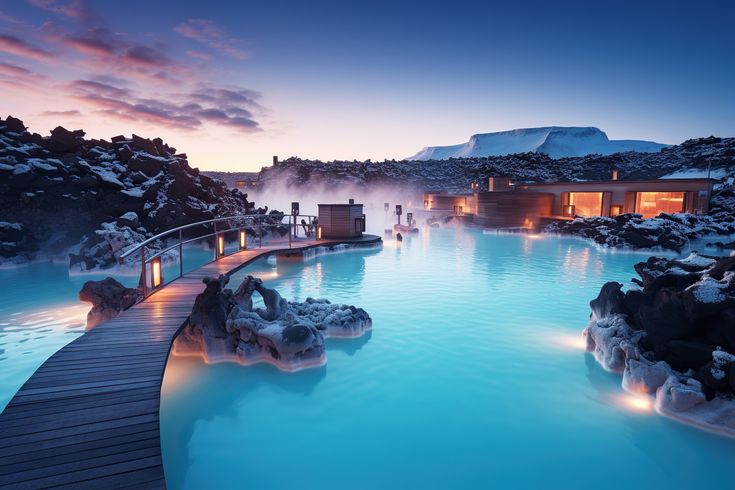
And yes, the Blue Lagoon is cool. But soaking in a random natural hot spring, with no one around, was 10x more magical for me.
The Real Cost of Visiting Iceland
Spoiler: it’s pricey — but manageable if you plan
I ran some numbers before the trip, and by the end, I had spent almost exactly what I expected. Here’s a realistic breakdown of a 7-day solo trip with budget stays and smart choices:
| Category | Estimated Cost (USD) |
|---|---|
| Round-trip flight | $600 |
| Budget accommodation (hostels, guesthouses) | $80/night → $560 |
| Small rental car | $55/day → $385 |
| Gas (yes, it’s expensive!) | $120 |
| Food (mix of groceries + quick eats) | $150 |
| Tours & entrance fees | $180 |
| Estimated Total | $1,995 |
Traveling with someone cuts down on costs big time — especially for lodging and the rental car. Some people even camp (yes, in the cold!) or live off supermarket food to stretch their budget.
Honest Tips Nobody Told Me (That Can Save Your Trip)
Tourism in Iceland is amazing — but it comes with chilly surprises
- Don’t rely on phone signal. Download offline maps. I got stuck at a fork in the road with no service.
- Fuel up when you can. Gas stations are few and far between. And gas? Around $7+ per gallon.
- The weather is wild. You can get sunshine, rain, and snow — all in one day. Dress in layers and pack rain gear.
- Cook when possible. If your hostel has a kitchen, use it. Buying eggs, bread, yogurt, and snacks at the local grocery store saved me a lot.
- Respect nature. Stick to trails. Iceland’s terrain is fragile, and yes, there are signs asking you not to trample it.
Why Tourism in Iceland Changed Me for Good
It wasn’t just a trip — it was a mental and emotional reset
I came back different. Lighter. More mindful. Seeing raw nature like that reminded me how disconnected we can get from the world around us. There are no malls, no noise, no distractions out there — just vastness and the sound of the wind.
Tourism in Iceland isn’t about getting pretty photos. It’s about feeling small in the best way possible. It’s pulling over on an empty road to stare at a volcanic valley and realizing no one else is around for miles. It’s learning to slow down and just… be.
If this trip has been sitting on your bucket list — bring it to life. Start planning, save a bit every month, go in the off-season. Just go. You’ll come back changed.
FAQ – Tourism in Iceland
1. What’s the best time to visit Iceland?
If you want to see the Northern Lights, go from September to March. For longer days and better driving, June to August is ideal.
2. Can I see the auroras without a tour?
Yes! Just check aurora forecast apps, head away from city lights, and cross your fingers for a clear sky.
3. Do I need to rent a car?
If you want freedom and flexibility, absolutely. Guided tours are great, but having your own wheels lets you explore hidden gems.
4. What should I wear?
Base layers, a mid-layer (like fleece), and a waterproof outer layer. Always bring gloves, a beanie, and waterproof boots.
5. Is the food any good?
It’s not a foodie destination, but the fish is super fresh, and groceries have plenty of tasty, affordable options.
Loved This? Help Spread the Icelandic Magic 🌌
If this post inspired you or helped you imagine your own Iceland adventure, drop a comment! Let me know if you’ve been, if you’re planning to go, or if you just added it to your wishlist. Like it, save it, or send it to that friend who keeps saying, “One day I’ll see the Northern Lights.”
Let’s turn that “one day” into today.
Until the next adventure ✈️❄️