




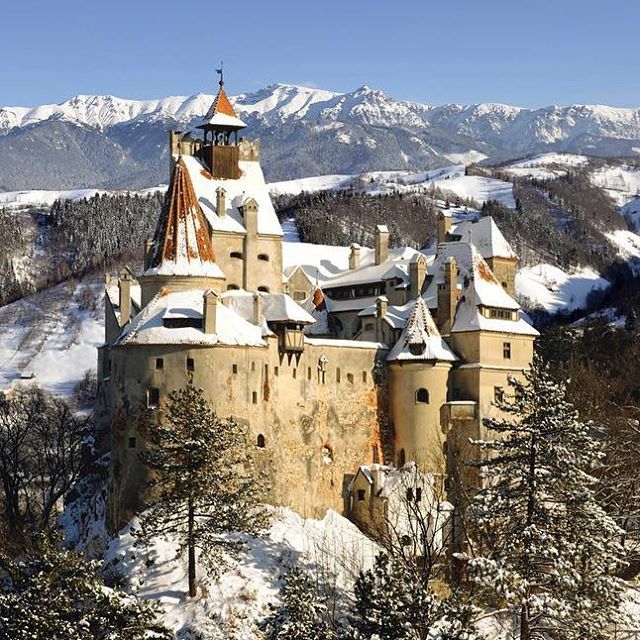
Discover how overtourism is reshaping European travel and explore 7 underrated destinations that still escape the crowds — offering authentic, sustainable experiences.
🧳 A New Era for European Travel
Tourism in Europe is at a crossroads. While iconic cities like Venice, Barcelona, and Dubrovnik are struggling with overtourism, smaller towns and lesser-known regions are emerging as peaceful, authentic alternatives.
According to the European Travel Commission (ETC), over 65% of Europe’s major heritage cities reported overcrowding issues in 2024, prompting governments to impose entry limits, raise tourist taxes, and promote new travel routes.
“Mass tourism itself isn’t the problem — it’s the overconcentration of visitors in the same few places.”
— Dr. Sofia Laurent, Sustainable Tourism Researcher, University of Lyon
🚧 The Hidden Cost of Overtourism
Overtourism doesn’t just affect local quality of life — it also threatens cultural heritage, the environment, and the authenticity of experiences.
Recent Data (2024)
| City | Annual Visitors | Local Population | Tourists per Resident | Recent Measures |
|---|---|---|---|---|
| Venice (Italy) | 25 million | 260,000 | 96:1 | Daily entry fee & cruise limits |
| Barcelona (Spain) | 32 million | 1.6 million | 20:1 | Hotel expansion ban |
| Dubrovnik (Croatia) | 1.4 million | 40,000 | 35:1 | Cruise ship caps |
| Amsterdam (Netherlands) | 20 million | 880,000 | 23:1 | Ban on new tourist rentals |
Insight:
Too many visitors strain public services, inflate living costs, and turn neighborhoods into open-air museums — creating what many call the “Venice effect.”
🌿 The 5 Pillars of Sustainable Tourism
- Tourism Decentralization
- Promoting smaller towns and rural regions
- Developing alternative travel routes
- Visitor Flow Management
- Entry fees and reservation systems for hotspots
- Limits on tour groups and cruise passengers
- Traveler Education
- Campaigns about local respect and responsible travel
- Encouraging support for local businesses
- Green Mobility & Digital Solutions
- Smart ticketing, off-peak travel, and electric transport
- Public-Private Collaboration
- Joint action between governments, communities, and tourism operators
🗺️ Escaping the Crowds: 7 Hidden European Destinations
| Region | Country | Highlights | Best Time to Visit |
|---|---|---|---|
| Alentejo | Portugal | Wine routes, medieval towns, wild beaches | April–October |
| Rural Hallstatt (Upper Austria) | Austria | Alpine culture and peaceful trails | May–September |
| Lake Ohrid | North Macedonia | UNESCO heritage and Orthodox culture | June–September |
| Puglia | Italy | Trulli houses, coastal villages, and cuisine | April–July |
| Kotor & Durmitor | Montenegro | Adriatic fjords and mountain adventures | May–October |
| The Cotswolds | United Kingdom | Stone villages and English countryside charm | April–August |
| Transylvania | Romania | Castles, forests, and authentic folklore | May–October |
Insight:
These destinations offer authenticity, sustainability, and serenity — values increasingly sought by post-pandemic travelers looking beyond the mainstream.
⚖️ Comparison: Overtourism vs. Sustainable Travel
| Feature | Overtourism | Sustainable Travel |
|---|---|---|
| Environmental Impact | High | Controlled |
| Local Relations | Conflict-prone | Cooperative |
| Economic Benefits | Concentrated | Diversified |
| Traveler Experience | Superficial | Immersive |
| Growth Pattern | Rapid but unstable | Steady and balanced |
Insight:
The future of European tourism isn’t about banning visitors — it’s about redistributing flows and celebrating local identity.
🚀 Strategies for a Balanced Future
“Travel should be a fair exchange — not just of money, but of respect.”
— Elena Rossi, Consultant, European Commission for Sustainable Tourism
- Creating a network of secondary destinations connected by green transport.
- Promoting off-season travel through digital marketing campaigns.
- Offering tax incentives for sustainable accommodations and small local businesses.
- Expanding eco-friendly mobility options — regional trains, e-bikes, and electric buses.
- Involving local residents in tourism decision-making and planning.
🌄 European Success Stories
- Slovenia: Europe’s sustainability leader, with eco-villages and nature trails.
- Finland: Promotes “silence tourism” in northern regions.
- Portugal: Award-winning strategy to decentralize tourism toward inland areas.
Insight:
Nations investing in territorial planning and niche travel are ensuring long-term benefits for communities and visitors alike.
🔮 Conclusion
Overtourism is the consequence of success — but also a wake-up call.
The future of European travel belongs to those who choose less rush, more meaning.
The next generation of travelers will seek greener, quieter, and more intentional experiences — and Europe must be ready.
📌 Key Takeaways
✅ Overtourism threatens sustainability and local well-being.
✅ Hidden destinations offer authentic and affordable alternatives.
✅ Education and policy are essential for balance.
✅ Decentralization is the key to Europe’s tourism future.
❓ FAQs About Overtourism and Hidden Destinations
Q1. What is overtourism?
It’s when too many tourists visit a destination, causing environmental, social, and cultural damage.
Q2. Which European cities are most affected?
Venice, Barcelona, Amsterdam, and Dubrovnik are among the hardest hit.
Q3. How are governments responding?
By imposing entry fees, regulating Airbnb rentals, and promoting lesser-known regions.
Q4. Which destinations are still peaceful and authentic?
Puglia, Kotor, Alentejo, and Transylvania are some of Europe’s best-kept secrets in 2025.
Q5. How can I travel more sustainably?
Avoid peak seasons, use public transport, support local communities, and choose eco-certified stays.