




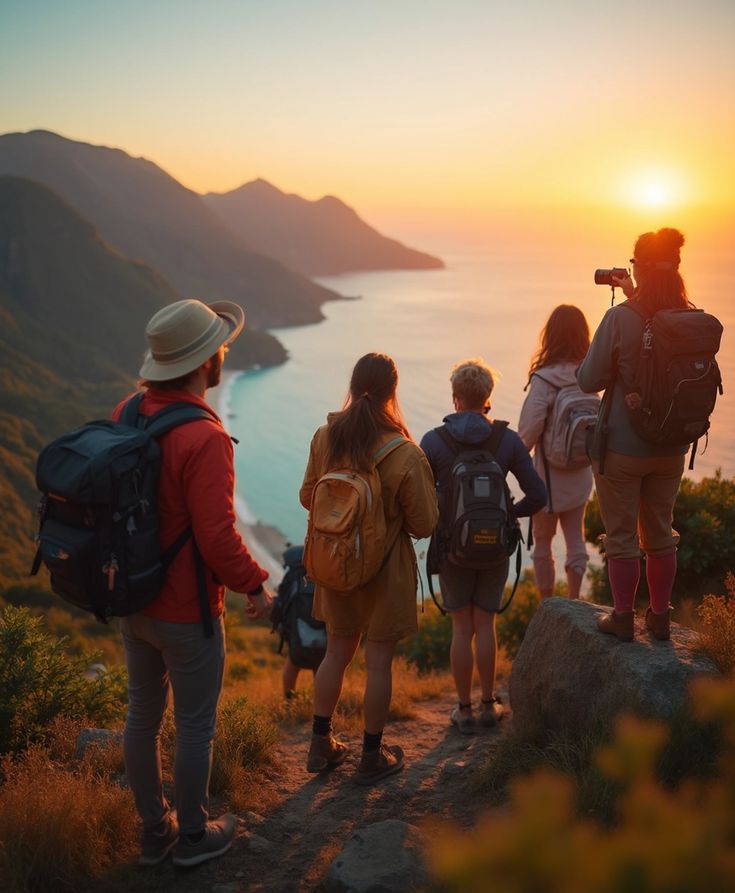
As global travel evolves and tourists seek deeper, more authentic connections with the world around them, a powerful shift is taking place across Europe. By 2026, one clear trend is emerging: travelers are moving away from the classic “resort + beach” formula and turning toward experiences that celebrate nature, rural life, and active exploration. From cycling through the vineyards of Portugal to hiking the Alpine trails of Switzerland, this new wave of tourism reflects a growing desire for purpose, balance, and sustainability.
One of the biggest drivers of this transformation is the growing demand for slow travel — journeys that prioritize connection over consumption. After years of crowded resorts and over-touristed beaches, travelers are rediscovering the beauty of simplicity. Whether it’s spending a week in a small Tuscan farmhouse, exploring France’s Loire Valley by bike, or kayaking along Norway’s fjords, these trips offer a sense of peace and authenticity that mass tourism rarely provides. They allow travelers to feel part of the local rhythm instead of simply passing through.
Nature and physical activity have also become central to the modern travel experience. Active holidays — from long-distance cycling routes like EuroVelo to multi-day hiking trails such as Spain’s Camino de Santiago — are booming across the continent. In 2025, the European Cycling Federation reported a 30% increase in bike tourism compared to pre-pandemic years, with routes like the Danube Cycle Path and the Rhine Trail attracting thousands of travelers seeking movement, wellness, and freedom. These journeys combine adventure with sustainability, offering a way to explore the continent while minimizing environmental impact.
The rural revival is another key part of this movement. Many small European villages, once threatened by depopulation, are finding new life through sustainable tourism. In Portugal, for example, government-supported initiatives are helping restore traditional “aldeias” (villages), transforming them into charming retreats for travelers interested in local culture, gastronomy, and crafts. Similarly, in Italy, programs like “Albergo Diffuso” (scattered hotels) allow visitors to stay in restored homes across an entire village — creating an immersive experience that directly supports the local economy.
However, this shift also comes with its challenges. Infrastructure in rural and natural areas often lags behind that of major tourist hubs, making logistics more complex. Reaching remote destinations may require more planning and time, and in some regions, public transport is limited. There’s also a growing need to balance increased visitation with environmental protection. Trails, national parks, and fragile ecosystems must be managed carefully to avoid the same over-tourism issues that once plagued coastal resorts.
Yet, for many travelers, these challenges are part of the adventure. The reward lies in discovering places untouched by mass tourism — enjoying an early morning walk through mountain meadows, sharing homemade bread with a local farmer, or cycling along country roads framed by centuries-old olive trees. These are the moments that define meaningful travel — experiences that connect people not only with nature but also with the essence of a slower, more conscious lifestyle.
In the end, the rise of alternative travel represents more than just a change in destination — it’s a change in mindset. It reflects a generation of travelers who value authenticity over luxury, experiences over possessions, and sustainability over convenience. As Europe continues to lead the way in sustainable and experiential tourism, the future of travel looks not only greener but also richer in stories, connections, and unforgettable moments.
When done right, escaping the resort routine can open the door to something far more rewarding: a journey that reconnects us with the world — and with ourselves.