




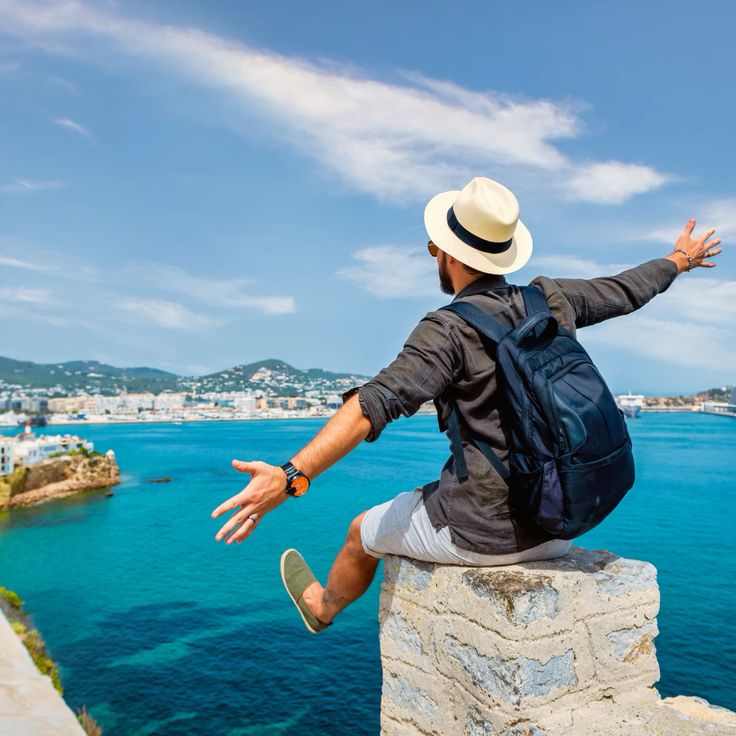
As the quest for balance and mental clarity becomes a global priority, a new kind of wellness tourism is making waves across Europe. By 2026, a distinct trend has emerged: travelers are no longer satisfied with conventional spa weekends or yoga retreats. Instead, they’re turning to water — oceans, lakes, rivers, and natural springs — as a source of healing, peace, and renewal. This growing movement, often referred to as “blue health travel”, explores the connection between water, nature, and well-being, redefining what it means to recharge and reconnect.
Unlike traditional wellness trips focused on luxury or relaxation, blue health tourism is about immersion — literally and spiritually. It invites travelers to slow down, listen to the rhythm of the waves, and rediscover the therapeutic power of aquatic environments. From cold-water swims in the fjords of Norway to thermal baths in Hungary, or meditative kayaking along Croatia’s Adriatic coast, these experiences aim not just to soothe the body, but to restore the mind and soul.
One of the driving forces behind this surge is the growing awareness of water’s psychological benefits. Studies across Europe have shown that spending time near “blue spaces” — natural bodies of water — reduces stress, improves sleep, and enhances mood. After years of digital overload and urban living, many people are seeking destinations where water becomes both a playground and a sanctuary.
Europe’s geography makes it the perfect stage for this evolution in travel. The continent’s diversity — from Iceland’s geothermal lagoons to Italy’s ancient Roman baths — offers countless opportunities for aquatic well-being. Take, for example, Lake Bled in Slovenia, where travelers combine morning swims with forest hikes and meditation sessions by the shore. Or the Azores archipelago in Portugal, where volcanic hot springs and ocean-view yoga retreats attract those longing to reconnect with nature’s raw beauty. Meanwhile, Finland’s “sauna culture” and wild lake swimming have become pillars of national identity, blending tradition with modern wellness trends.
Beyond physical relaxation, blue health travel encourages a deeper emotional reset. Participants often describe a sense of calm and clarity that lingers long after the trip ends. Floating in thermal waters or diving beneath crystal-clear waves offers a meditative stillness — a reminder of our connection to nature’s most essential element. In a world of constant motion, water invites us to pause and simply be.
The benefits ripple outward, too. Communities centered around sustainable water tourism — such as eco-resorts built with minimal environmental impact or small coastal towns promoting clean beaches — are seeing positive social and economic effects. Travelers who engage responsibly often contribute to marine conservation projects, support local artisans, and foster cultural exchange in ways that mass tourism rarely achieves.
Still, meaningful blue health travel requires intention. True rejuvenation doesn’t come from simply visiting a spa or snapping pictures by the sea. It comes from immersion — swimming at sunrise, listening to waves without headphones, or sharing silence in a natural hot spring. Experts recommend choosing programs that emphasize ecological respect and authenticity: locally guided tours, eco-certified accommodations, and activities that honor both the environment and the communities that protect it.
In the end, the rise of blue health travel reflects a broader cultural awakening — one that values harmony over haste, and depth over distraction. Whether it’s a thermal retreat in the Alps, paddleboarding in Scotland’s lochs, or a mindful sailing journey through the Greek islands, these experiences remind us that well-being flows naturally when we align with the rhythms of water and nature.
For many, these are not just vacations. They are gentle invitations to breathe, float, and remember that healing often begins where the land meets the sea.