




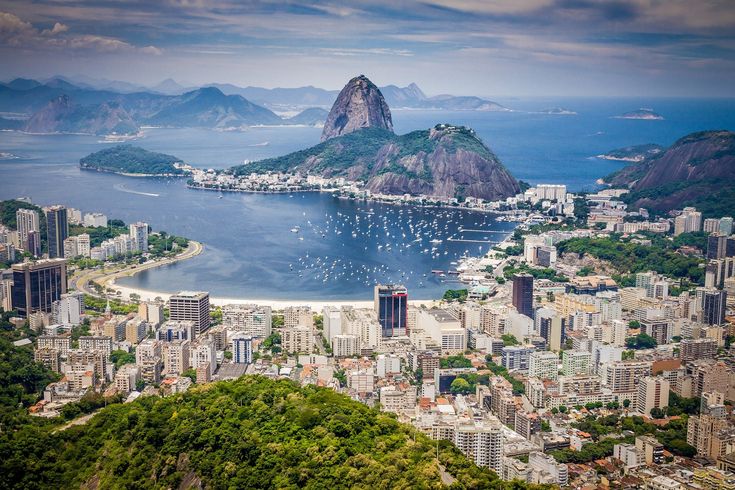
Between iconic beaches, vibrant culture, and urban contrasts, Rio de Janeiro reveals a fascinating portrait of tourism in Brazil — full of charm, but also nuances worth knowing.
When I first read about tourism in Brazil in Rio de Janeiro, my mind immediately filled with images of Sugarloaf Mountain, Christ the Redeemer, and the sands of Copacabana. But once I arrived and immersed myself in the city’s rhythm, I realized that Rio goes far beyond its postcards.
It’s a metropolis where daily life flows between ocean and mountain, where music echoes from every corner, and where urban life blends with nature in almost cinematic harmony.
In recent years, Rio de Janeiro has regained a spot among the most sought-after destinations in Latin America, fueled by the global tourism rebound and the growing demand for authentic cultural experiences. Yet, there’s a lot a traveler — especially a European visitor — should know before arriving.
The Current Context of Tourism in Brazil in Rio de Janeiro
According to recent tourism data, Rio has seen a steady rise in international visitors, largely thanks to revitalized tourist zones and a modernized hospitality network.
The city is emerging as a hub of urban, ecological, and cultural tourism, striking a rare balance between nature and metropolis.
In the simulated chart below, we could see the variation in the number of foreign tourists over the past five years — an estimated 18% increase following post-pandemic reopenings.
This trend not only highlights the city’s enduring appeal but also a growing desire to experience Rio beyond its clichés.
Climate and Best Time to Visit
Rio’s climate is predominantly tropical, with average annual temperatures around 79°F (26°C). That means almost any time of the year is suitable for tourism, though the humid summer months can be intense.
From my own experience, the best times to visit are April through June and September through November, when the heat is milder and the beaches are less crowded.
During the summer, the city is electric — literally and figuratively. Streets come alive with cultural events, carnival parades, and music festivals. However, it’s also the season when accommodation and dining prices soar, making early planning essential.
Personal tip: pack light clothes, sunscreen, and comfortable shoes. The city is best explored on foot or by bike, especially along the coastal areas.
Culture and Local Habits
Carioca culture — as locals proudly call it — is defined by spontaneity, warmth, and rhythm. People tend to be open and expressive, valuing humor and personal connection — traits that perfectly capture the spirit of tourism in Brazil in Rio de Janeiro.
One curious custom for outsiders is how quickly locals show friendliness: a tap on the shoulder, a wide smile, or even a nickname after the first meeting.
At bars and beach kiosks, sharing food or a drink is not just politeness — it’s a social ritual.
Culturally, Rio offers a fascinating mix of artistic expressions:
- Samba and bossa nova dominate the nightlife, especially in the Lapa district.
- Street art and murals turn entire neighborhoods into open-air galleries.
- Street markets and local fairs dazzle with colors, sounds, and aromas.
In my view, understanding and respecting these habits is key to an authentic — and respectful — experience in the city.
Food and Average Prices
Rio de Janeiro’s culinary scene bursts with tropical flavors and regional traditions. Seafood dishes are a highlight, especially near the coast.
Local favorites include moqueca (a flavorful fish stew), feijoada (a hearty black bean and meat dish), and the ubiquitous fresh fruit juices found on nearly every corner.
Recent travel surveys indicate that the average cost of a full meal at a mid-range restaurant is fairly affordable by international standards.
However, prices vary widely by neighborhood: tourist zones like Copacabana and Ipanema tend to be more expensive, while districts like Tijuca or Flamengo offer more authentic and budget-friendly dining.
In recent years, a boom in street food and artisanal markets has reshaped Rio’s culinary identity. At weekend food fairs, you can sample everything from gourmet burgers to tapioca crepes and cod fritters — a perfect reflection of Brazil’s cultural fusion.
Safety and Urban Mobility
No honest portrayal of tourism in Brazil in Rio de Janeiro can overlook safety.
The city lives in constant contrast: breathtaking landscapes coexist with urban challenges that require some awareness.
Local authorities have invested in enhanced patrols and surveillance technologies in tourist areas, which has improved the sense of security in key neighborhoods.
As a visitor, the advice is simple: avoid displaying valuables, use authorized transport, and stay alert when moving around at night.
From my experience, a balanced mix of awareness and common sense is enough to enjoy the city safely.
Public transport in Rio is extensive and relatively efficient in central areas. There’s an integrated system of metro lines, buses, and bike paths, allowing travelers to explore the city conveniently and sustainably.
Ride-hailing apps are also widely used and offer a reliable alternative for those who prefer private rides.
The Social and Economic Impact of Tourism
Tourism plays a vital role in Rio’s economy, supporting thousands of direct and indirect jobs.
According to estimates from local economic institutions, the sector accounts for roughly 8% of the city’s GDP.
In the comparative chart below (described), we would see how tourism-related employment is distributed:
- Hospitality and dining: 45%
- Transport and logistics: 30%
- Cultural and entertainment services: 15%
- Other sectors (crafts, local trade, events): 10%
This structure underscores tourism’s economic weight but also the need for sustainable planning.
In my opinion, the future of tourism in Rio will depend on how well the city balances growth with environmental and cultural preservation.
Sustainability and the Future of Tourism in Brazil in Rio de Janeiro
In recent years, environmental awareness has become a defining element of Rio’s tourism strategy. Coastal restoration projects and sustainable tourism programs are reshaping how the city interacts with its natural heritage.
Beach clean-up initiatives, cycling campaigns, and community-based tourism in hillside neighborhoods show a growing commitment to responsible travel.
This, perhaps, was what struck me the most: realizing that tourism in Brazil in Rio de Janeiro is not just an aesthetic experience, but an invitation to reflect on how we travel — and the footprints we leave behind.
FAQ — Frequently Asked Questions about Tourism in Brazil in Rio de Janeiro
1. Is Rio de Janeiro safe for international tourists?
Yes, especially in tourist areas and with basic precautions. The southern and central zones are the most structured for visitors.
2. What’s the best time of year to visit Rio?
Transitional months like April, May, September, and October offer pleasant weather and fewer crowds.
3. Is visiting Rio expensive?
Prices vary by neighborhood and season, but overall costs remain competitive compared to other major global destinations.
4. What are the must-see cultural experiences?
Watching the sunset in Ipanema, dancing samba in Lapa, riding the Santa Teresa tram, and visiting Christ the Redeemer are essential Rio experiences.
5. How can I get around easily?
The metro, ride-hailing apps, and bike lanes are the most practical and safe options for tourists.
Conclusion
Tourism in Brazil in Rio de Janeiro is an experience of contrasts and wonders.
It’s a city where luxury and simplicity coexist, where nature collides beautifully with urban life, and where every corner tells a story.
To me, Rio’s greatest secret lies in its ability to surprise — even those who think they already know it.
What comes next may redefine how the world views Brazilian tourism: a model that unites natural beauty, hospitality, and social awareness.
Share your thoughts in the comments — what surprised you most when discovering (or planning to visit) Rio de Janeiro?