




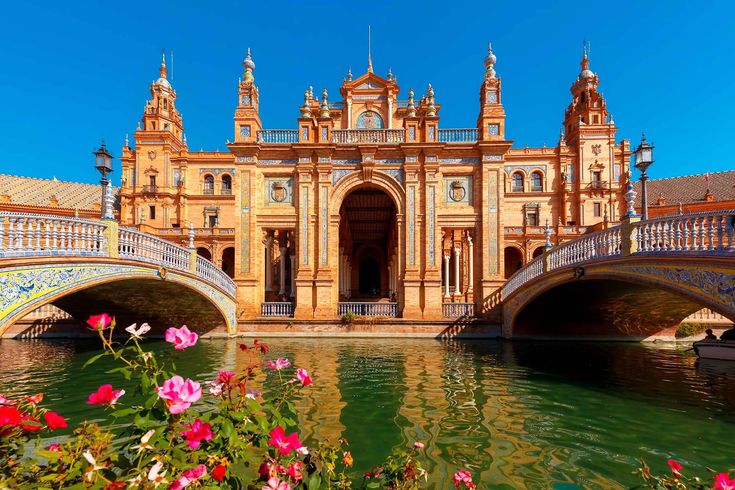
A personal and insightful look at what truly defines tourism in Spain — beyond beaches, food, and the traditions that captivate travelers from around the world.
Introduction
When I started planning my first trip to Spain, I realized the country was far more complex — and fascinating — than travel brochures suggested. Tourism in Spain is not just about sunny beaches or historic landmarks. It’s a living mosaic of cultures, accents, habits, and experiences that completely change depending on the region you visit.
The topic has gained renewed attention recently as the hospitality industry grows and more international travelers seek authentic, local experiences. Spain has become a global benchmark for cultural diversity — and understanding its nuances is essential to truly enjoy what it has to offer.
The Current Landscape of Tourism in Spain
According to recent European travel data, tourism in Spain continues to rank among the most sought-after experiences in the continent, surpassing pre-pandemic numbers and standing out for its ability to balance tradition and innovation.
A recent analysis showed a 23% increase in searches related to tourism in Spain compared to the previous year. The most visited destinations remain Madrid, Barcelona, Seville, and Valencia, but smaller regional towns are gaining popularity among travelers looking for less commercialized experiences.
In my view, this shift highlights a broader trend: modern tourists are increasingly drawn to human connection, cultural learning, and conscious travel — rather than just collecting photographs.
Cultural Identity: The Heart of the Spanish Experience
Lifestyle and Daily Rhythm
The first surprise for many visitors is the pace of life. In Spain, time seems to flow differently — long meals, flexible schedules, and a remarkably relaxed attitude toward daily routines. It’s common to see restaurants buzzing late at night and local markets open at unusual hours.
When I experienced it myself, I realized that tourism in Spain is deeply tied to this culture of social connection. Dinners turn into long gatherings, coffee breaks become social rituals, and local festivals bring entire communities together.
This isn’t just a detail — it’s the essence of Spanish life. Understanding it completely transforms how you experience the country.
Festivals and Traditions
Spain’s cultural calendar is vibrant and nearly non-stop. From north to south, there’s always something happening: religious celebrations, food fairs, local fiestas, or major music events.
Some of the most iconic include:
- La Tomatina, the famous tomato-throwing festival;
- Las Fallas, in Valencia, with its giant sculptures and fireworks;
- Feria de Abril, in Seville, a spectacle of color, dance, and tradition.
Experiencing Spain during one of these festivals is like stepping into a living expression of emotion and community. As a journalist and traveler, I’ve found that few places in the world capture the spirit of togetherness as powerfully as tourism in Spain.
Climate and Trip Planning
Spain’s climate is one of its biggest attractions for European travelers. The country offers an impressive variety of landscapes — from sun-drenched coasts to snowy mountain regions.
Climate reports show that summer temperatures often exceed 30°C (86°F) in many areas, while winters can be surprisingly mild. This makes tourism in Spain viable year-round, with each season offering a different experience.
A typical comparison chart (as seen on many travel platforms) would show:
- Spring (March–May): Ideal for exploring historic cities and blooming parks;
- Summer (June–September): Peak season for beaches and open-air festivals;
- Autumn (October–November): Perfect for wine routes and food tours;
- Winter (December–February): Best for skiing and cultural tourism.
From my own experience, the key is matching your travel goals to the season. Spain isn’t a one-season destination — it reinvents itself with each climate shift.
Gastronomy: A Journey Within the Journey
Cuisine is undoubtedly one of the pillars of tourism in Spain. And it’s not just about tapas or paella — but about the astonishing regional diversity that makes every meal tell a story.
In local markets, you can literally taste the country’s identity. I sampled olive oils, cheeses, wines, and cured meats that were impossible to find elsewhere. According to a recent culinary tourism study, food-related travel now represents over 12% of total tourism in Spain, and this figure continues to rise as travelers seek local and sustainable experiences.
In my view, the true luxury of dining in Spain doesn’t lie in price or sophistication, but in authenticity. Every meal feels like a collective celebration — and joining that experience is one of the most genuine ways to understand the country.
Costs and Affordable Experiences
While tourism in Spain offers plenty of high-end options, there are also countless ways to enjoy it on a budget.
A comparative analysis of average accommodation prices shows that smaller towns can be up to 40% cheaper than major cities — allowing travelers to build flexible itineraries that mix cultural capitals with charming villages.
Here are a few practical tips I’ve learned on the road:
- Look for daily menu deals (menú del día) — they include a starter, main dish, and dessert at fixed prices.
- Use intercity public transport, which is clean, efficient, and well-marked.
- Take advantage of free museum days or seasonal discounts.
These small decisions can make a big difference to your budget — and extend your stay — making tourism in Spain even more rewarding.
Local Habits and Social Etiquette
Simple but significant behaviors also shape the Spanish experience. Greeting with two kisses (among friends), relaxed punctuality, and the famous afternoon “siesta” are still part of everyday life in many regions.
At first, I was puzzled to see shops closing in the middle of the afternoon — until I realized it reflects how much Spaniards value quality of life. This mindset influences urban rhythm, opening hours, and even the organization of tourism in Spain.
For visitors, adapting to these cultural nuances is essential to avoid frustration and to experience Spain as locals do.
Conclusion: The Magic Is in the Details
More than a travel destination, Spain is an experience in human connection. Tourism in Spain reveals a country that protects its past without losing sight of its future — a balance few nations manage to achieve.
What struck me most was the authenticity present in every city, every conversation, and every flavor. Traveling through Spain is a reminder that hospitality isn’t just a service — it’s a way of life.
Looking ahead, I believe tourism in Spain will continue to evolve toward a more sustainable and community-based model — one that values cultural respect and genuine encounters. It’s an inspiring path — and an open invitation to anyone who seeks not just to visit, but to live the experience.
FAQ – Tourism in Spain
1. What attracts visitors to Spain the most?
The combination of culture, gastronomy, pleasant climate, and regional diversity, which offers a unique experience in every destination.
2. Is traveling in Spain expensive?
Not necessarily. There are options for every budget — from affordable accommodations to luxury stays — plus efficient public transport and budget-friendly meal plans.
3. What’s the best time to visit Spain?
It depends on your interests: spring and autumn are ideal for sightseeing, summer for beaches and festivals, and winter for skiing and cultural tourism.
4. What cultural habits should visitors respect?
Be flexible with schedules, embrace the slower pace, and appreciate the value locals place on community and tradition.
5. Is tourism in Spain sustainable?
Yes. The country has been investing heavily in eco-friendly tourism and policies that promote responsible travel and support local communities.
📣 Enjoyed the read?
Share your thoughts in the comments — what fascinates you most about tourism in Spain?
If you’re planning a visit soon, save this article or send it to someone who’d love to discover the country from a fresh perspective.