




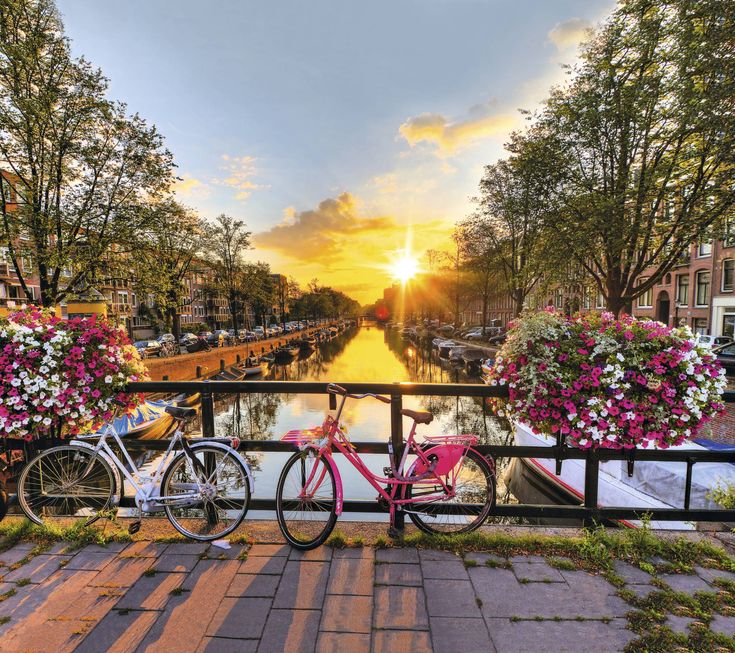
A personal and analytical look at culture, climate, prices, and habits that shape tourism in the Netherlands
Introduction: When charm meets reality
When I first started planning my trip to experience tourism in the Netherlands, I imagined only picturesque canals, colorful bikes, and endless tulip fields. But as I dug deeper into reports, articles, and travel data, I realized that behind those postcard landscapes lies a remarkably organized society — and a way of life that perfectly balances tradition and modernity.
The topic goes far beyond simple travel curiosity. The number of international visitors has been rising steadily, reflecting both cultural appeal and economic strength. According to recent research from European tourism institutes, visitor volume in the region has grown by double digits in recent years, driven by sustainable policies and authentic experiences.
In practice, what does that mean for anyone dreaming of exploring the country? That tourism in the Netherlands demands more than just a solid itinerary — it requires understanding its habits, values, and rhythm of life.
Dutch culture: simplicity, efficiency, and respect
The first thing I learned is that Dutch culture is defined by honesty and directness. This shows up in everything — from straightforward conversations to the way people manage time and public spaces.
The Dutch deeply value efficiency, which is evident in the punctuality of public transport, the cleanliness of the streets, and the seamless way services operate. A simple bike ride through Amsterdam is enough to understand how sustainability and mobility are embedded in daily life.
Unlike the relentless pace of other major European cities, there’s a noticeable sense of balance. People genuinely believe that less is more. Perhaps that’s why tourism in the Netherlands stands out for offering authentic experiences — travelers aren’t just spectators, but invited participants in a lifestyle grounded in community.
Prices and cost of living: a delicate balance
One of the things that surprised me most was the cost of living. Before going, I assumed everything would be expensive — and while some items are, especially accommodation and dining, it’s possible to plan smartly.
Here’s a quick comparison of average daily expenses in popular European cities:
| Item | Local average (per person/day) | Variation from European average |
|---|---|---|
| Accommodation (3-star hotel) | High | +20% |
| Meals (full meal) | Moderate | +10% |
| Public transport | Affordable | -5% |
| Cultural activities | Variable | Equal |
This breakdown shows that tourism in the Netherlands isn’t out of reach — it just requires balance. Avoiding the busiest central areas and using the efficient public transport system to explore less-known towns can provide a more authentic (and affordable) experience.
Climate and seasons: the weather sets the rhythm
Another key factor is the climate, which can shape your entire experience. The weather is famously unpredictable — you might leave under a blue sky and face rain just minutes later.
In general:
- Spring (March–May): tulip season and the most photogenic landscapes.
- Summer (June–August): long days, perfect for cycling and coastal trips.
- Autumn (September–November): rich cultural season with festivals and exhibitions.
- Winter (December–February): cold but charming, especially in smaller villages where traditions come alive.
In my view, tourism in the Netherlands transforms with every season. Spring dazzles the eyes, autumn stirs reflection, and winter invites connection. Knowing this makes all the difference when planning a meaningful trip.
Gastronomy: the flavor of simplicity
Dutch cuisine mirrors its culture — simple, practical, and surprisingly delightful. Forget elaborate dishes; the focus here is on local ingredients and comfort food that warms you up on gray days.
Some of the dishes that stood out to me include the stroopwafel, a thin caramel-filled waffle cookie, and haring, a traditional raw herring served with onions. Don’t miss the famous paper cones of fries, always paired with a variety of sauces — a true street classic.
What impressed me most was the country’s commitment to conscious consumption. Many restaurants prioritize organic ingredients, and local farmers’ markets are a staple in nearly every neighborhood. This mindset reinforces sustainability — a core value of modern tourism in the Netherlands.
Social habits and behavior: respect above all
One of the most striking cultural differences was the high level of trust and respect in daily life. It’s common to see unlocked bicycles, quiet cafés, and people respecting each other’s space.
There’s also a strong sense of social equality, reflected in informal communication and the lack of rigid hierarchies in the workplace.
From my perspective, this creates an atmosphere of calm and belonging — as long as visitors follow the unspoken rules of Dutch life: punctuality, discretion, and environmental responsibility.
Sustainability: redefining tourism in the Netherlands
The Netherlands is a living example of sustainable innovation. Entire cities have been redesigned to reduce emissions, and cycling isn’t just a mode of transport — it’s a way of life.
According to recent mobility data, some cities now have more bicycles than residents. Add to that the growing number of green buildings and renewable energy initiatives, and it’s clear why the country is seen as a global sustainability leader.
In my analysis, this sustainable mindset is transforming tourism in the Netherlands. Visitors are encouraged to travel consciously, stay in eco-friendly accommodations, and support local initiatives — redefining what responsible travel truly means.
Conclusion: what it really means to visit the Netherlands
More than a beautiful destination, the Netherlands is a cultural lesson. Traveling there means understanding that efficiency, empathy, and sustainability can coexist in harmony.
Tourism in the Netherlands is not just about scenic canals or historic windmills — it’s about a way of life that values community, transparency, and respect for diversity.
For me, that was the most powerful discovery — and perhaps the most inspiring one. What comes next could redefine travel itself: journeys where visitors go not just to see, but to understand.
FAQ — Frequently Asked Questions about Tourism in the Netherlands
1. What’s the best time to visit?
Spring is ideal for tulips and mild weather, while summer offers longer days and outdoor festivals.
2. Is traveling there expensive?
Moderately. Accommodation and food can be pricey, but public transport and cultural attractions help balance the budget.
3. Is the Netherlands safe for tourists?
Yes. It’s known for low crime rates and a strong culture of social respect.
4. Is the local cuisine worth trying?
Definitely — especially if you enjoy simple, flavorful food made with fresh ingredients. Try the stroopwafel and traditional herring.
5. How is the public transportation system?
Extremely efficient and punctual. Bicycles are the top choice, followed by trains and trams in an integrated network.
Call to Action
Share your thoughts in the comments — what fascinates you most about tourism in the Netherlands?
If this topic inspires you too, save the article or send it to someone who dreams of exploring this remarkable destination.